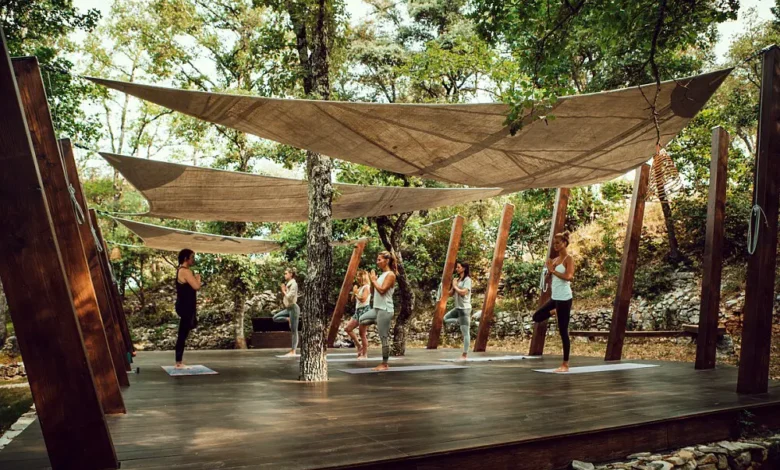
India has become a leading destination for global wellness travel, drawing visitors who want a slower, more restorative style of journeying. Many travellers seek experiences grounded in tradition rather than novelty, and India offers precisely that. Yoga, Ayurveda, meditation and nature based therapies have existed here for centuries. What has changed is their integration into modern retreat culture, where guests can balance ancient practices with contemporary comfort, nutritional guidance and flexible travel routines.
As wellness tourism grows internationally, India continues to stand out. The combination of cultural authenticity, training expertise and diverse landscapes means the country now attracts long stay visitors, digital nomads and returning retreat guests who want more depth than a typical holiday provides.

Why India Leads Global Wellness Travel
Wellness tourism has expanded steadily across Asia, Europe and the Americas, but India anchors the sector due to its long standing connection with body-mind practices. Travellers do not simply visit resorts; they enter regions where wellness is part of daily life.
Yoga originated in the Indian subcontinent and continues to shape global health culture. Ayurveda is one of the world’s oldest medical systems, still practised in dedicated clinics and teaching centres. Spiritual lineages, monastic traditions and natural therapeutic settings further strengthen India’s reputation.
The country’s wellness sector has grown alongside international demand for sustainable travel, slow itineraries and holistic self-care. Retreats now range from simple ashrams to luxury eco-resorts, making the experience accessible to a wide range of travellers.
The Revival of Ayurveda in Modern Tourism
Ayurveda has become a central attraction for visitors seeking natural therapies. Kerala remains the leading destination, known for specialist clinics, long term healing programmes and coastal environments that support rest and recovery.
Typical treatments include abhyanga massage, herbal steam therapy and panchakarma cleansing routines. Many centres employ qualified practitioners who create personalised schedules based on diet, sleep patterns and seasonal conditions.
Ayurveda’s appeal lies in its combination of traditional wisdom and evidence informed wellness practices. Travellers often return to Kerala for multi week programmes because progress is gradual, and practitioners encourage long stay treatment cycles rather than short, high intensity courses.
Yoga Retreats for Beginners and Experts
Rishikesh, often described as the yoga capital of India, attracts visitors from around the world. The town sits along the Ganges River at the foothills of the Himalayas and hosts hundreds of studios, ashrams and teacher training centres.
Retreats vary widely. Beginners can take introductory classes in Hatha, Iyengar or Ashtanga yoga, while experienced practitioners join advanced workshops or teacher certification programmes. Meditation, pranayama and philosophy lessons are common additions.
Other regions offer strong yoga cultures as well. Goa combines beach environments with creative yoga communities. Dharamshala, Mysuru and Varkala also support a steady flow of long term practitioners who integrate physical practice with nature based routines.
Wellness Destinations Beyond the Tourist Circuits
India’s wellness geography extends far beyond a few well known centres. Himalayan states such as Uttarakhand, Himachal Pradesh and Sikkim host meditation retreats, silence programmes and forest based wellness stays. The landscape naturally supports slower travel patterns, with cooler weather and quieter environments.
Central India offers wildlife led wellness, combining national parks with eco lodges that emphasise mindful walking, conservation activities and digital detachment. In the west, desert wellness stays in Rajasthan blend folk healing traditions with yoga, stargazing and ayurvedic cuisine.
These destinations appeal to travellers who want wellness experiences away from large crowds or typical tourist routes.
Modern Wellness: Digital Nomads, Luxury Retreats and Evolving Expectations
A modern layer has emerged within India’s wellness sector. Digital nomads often build hybrid itineraries, pairing remote work sessions with yoga classes or meditation routines. Many centres provide co working facilities, high speed internet and flexible schedules to support longer stays.
Luxury wellness retreats have expanded too, offering plant based cuisine, thermal therapies, physiotherapy, guided nature walks and personalised movement coaching. These properties link ancient health principles with contemporary expectations around privacy, comfort and nutrition.
This blend of tradition and modernity helps India remain competitive in a global market that includes Bali, Thailand and European wellness hubs.
Practical Planning for a Wellness Focused Trip
Wellness travel tends to attract visitors who stay longer than average tourists. Cost planning and seasonal timing therefore matter. Many travellers book early to secure cheap airfare to India during winter and early spring when retreats operate at peak quality. Shoulder seasons such as September and March often show better availability and more frequent searches for cheap airfare to India, making them practical entry points for extended wellness programmes. Longer stays also become more feasible when travellers find cheap airfare to India through connecting flights or advance booking alerts.
For visas, most visitors use the e-Visa system, which is available for short retreats and informal wellness trips. Longer training courses may require a different category, and checking regulations ahead of time helps avoid delays.
Weather varies significantly across wellness regions. Kerala is most comfortable between October and March. Rishikesh and Himalayan retreats operate mainly from March to June and again after the monsoon from September to November. Goa is seasonal, with beach retreats closing during heavy rains.
Local etiquette is generally respectful and quiet in wellness settings. Modest clothing, observance of silence hours, and care around shared spaces help maintain the retreat atmosphere.
Travellers often buy local SIM cards on arrival for reliable data during long stays. Transport options vary, from auto rickshaws in towns to pre booked taxis for intercity travel. Retreats usually arrange transfers from airports or major railway stations.
A Logical Approach to Wellness Travel
Planning a wellness trip to India works best when travellers take a structured, slow paced approach. Understanding seasonal rhythms, comparing retreat styles and allowing time for acclimatisation leads to a more meaningful experience. India’s wellness landscape is broad enough to support beginners taking their first yoga class and experts seeking advanced training or deep restorative routines.
For visitors who approach the journey with clear intentions and flexible planning, India remains one of the world’s most rewarding destinations for long form wellness travel.