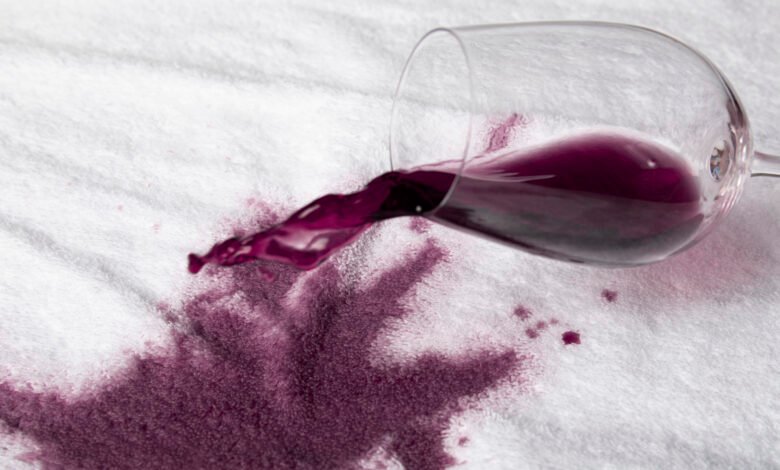
A red wine spill on a carpet can shift the atmosphere of a room in an instant, especially when it happens during a lively moment.
The deep colour seems to settle as soon as it touches the fibres, giving the impression that it’s already part of the floor covering.


With steady attention and a gentle, thoughtful approach, the stain can be managed far more easily than it first appears.
Responding Immediately with the Right Steps
A prompt response prevents red wine from travelling deeper into the carpet’s structure. The liquid begins to move downward almost at once, so those first few minutes are valuable.
Setting yourself up for success begins with reaching for a white cloth or a paper towel and placing it directly over the spill. This simple action limits the spread and gives you a clear starting point.
Keep a small cleaning kit in an accessible place so you can avoid rummaging through cupboards while the stain dries. Furthermore, have at least two clean cloths ready so you can switch the moment the first becomes saturated.
These preparations turn an urgent situation into a manageable one. With this in mind, press gently to lift the wine rather than sweeping across the carpet, which would widen the mark instead of containing it.
The idea is to guide the liquid upward through steady, patient pressure.
Blotting the Stain with Care and Precision
Blotting is one of the most reliable ways to manage a fresh red wine stain. The technique is simple, yet it works because it respects the carpet’s surface.
Instead of scrubbing, use repeated light presses that draw the wine into the cloth. This rhythm helps the fibres stay aligned while the colour lifts away gradually.
Begin at the outer edge of the mark and move inwards. This prevents the wine from expanding into a larger patch.
White cloths are ideal for this because they make it easier to see how much wine you’re lifting. Replace the cloth often so each press continues to remove moisture rather than moving it around.
Two examples highlight how to approach this. Fold a cloth into a thick pad so pressure spreads evenly when you press down. Then rotate the cloth to a fresh corner each time so you don’t place a stained area back onto the carpet.
These careful motions produce a clearer result and prepare the carpet for further treatment.
Using Household Ingredients for Deeper Lifting
Once the initial moisture has been removed, everyday ingredients can support the next step of the process. Salt and baking soda are both useful because they absorb liquid and help draw pigment from the fibres.
Sprinkle either ingredient over the damp area so it forms a light layer, then give it time to rest. As the powder dries, it pulls remaining wine to the surface.
Let the layer sit for at least fifteen minutes so the grains have time to work, and vacuum slowly once the surface becomes dry.
If traces remain, a soft brush can loosen them before a second pass with the vacuum. These ingredients offer a gentle approach that fits easily into any household routine.
Another practical option is to make a light paste from baking soda and water. Apply it sparingly to the affected area and allow it to dry before brushing it away.
This method reduces the appearance of the stain without introducing harsh chemicals.
Creating and Using a Homemade Cleaning Solution
A homemade cleaning solution can help with stains that remain visible after blotting and powder treatments.
A blend of warm water, white vinegar and mild dish soap creates a balanced mixture that cleans without placing stress on the weaves. The mild acidity helps break down pigment, while the soap lifts darker residues.
To use this mixture, soak a clean cloth, wring out the excess liquid, and gently apply it to the stained area. Start at the edge and work towards the centre. Replace the cloth whenever it becomes stained so the cleaning process stays fresh.
Once the colour begins to lift, rinse the treated area with a cloth dipped in plain water.
Prepare two small bowls in advance so you can move smoothly between cleaning and rinsing, and lay a dry towel nearby to absorb moisture as you finish.
These steps ensure the final result feels clean rather than damp. This homemade method also allows you to adjust the mixture for delicate carpets by reducing the amount of vinegar or soap.
By taking your time, the solution works gradually, bringing the fibres back to a more natural appearance. This approach supports long-term care and offers a reliable option when commercial cleaners aren’t readily available.
Choosing Specialised Support When Needed
There are moments when expert help is the most sensible option, particularly when the stains continue to cling to the strands despite thoughtful care at home.
Some stains have settled too deeply for household methods, especially if they weren’t noticed right away.
Licensed cleaners have equipment that reaches deep into the carpet and removes pigments that household tools can’t reach, which gives the weaves a far more thorough refresh. Their experience with different fabrics ensures the carpet is handled safely.
If specialist help feels necessary, begin by reading reviews and comparing providers. Searching for carpet cleaning near you helps identify services familiar with local homes and common carpet types.
Ask for a brief assessment before booking so the technician can examine the fabric and recommend an appropriate method.
In addition to that, request a clear explanation of the treatment so you know what to expect, and ask for aftercare advice so the carpet remains protected in the days that follow.
Conclusion
A red wine spill may feel dramatic at first, yet it becomes manageable with steady actions and simple tools.
Moving through blotting, powder treatments and gentle homemade cleaners often restores the carpet’s familiar look.
When deeper help is needed, professional support offers a reliable path back to a fresh and welcoming room.