Digestive biscuits have long been a staple in British households, celebrated for their subtle sweetness and slightly crumbly texture. Originating in Scotland in the 19th century, these biscuits were initially created to aid digestion, giving them their distinctive name. Today, digestive biscuits are much more than a health-inspired snack—they are a versatile treat enjoyed with tea, coffee, and in a variety of desserts. Their enduring popularity is a testament to their simple yet satisfying flavour profile.
Over time, digestive biscuits have evolved beyond their original recipe. They can now be found in chocolate-covered varieties, gluten-free versions, and even with unique flavours like Nutella or amaretti. Whether eaten straight from the packet, used as a base for cheesecake, or incorporated into festive recipes, digestive biscuits remain a beloved choice for those seeking both taste and tradition.


What Are Digestive Biscuits?
Digestive biscuits are lightly sweetened biscuits made primarily from whole wheat flour, sugar, and fat, with a small amount of baking soda to aid texture and taste. Their unique crumbly yet slightly grainy consistency sets them apart from other biscuits such as rich tea biscuits, shortbread biscuits, or ginger biscuits. Digestive biscuits are perfect for pairing with warm beverages, providing a comforting snack experience that is both wholesome and indulgent.
The appeal of digestive biscuits also lies in their versatility. Beyond being a simple snack, they can be crumbled as a base for desserts, layered in puddings, or even used creatively in baking projects. Their mild flavour makes them compatible with chocolate, jams, spreads, and creams, offering endless possibilities for culinary experimentation and enhancing traditional British teatime experiences.
History and Interesting Facts About Digestive Biscuits
Digestive biscuits were first developed in 1839 in Scotland by doctors who sought a semi-sweet biscuit that could aid digestion. The name “digestive” reflects this original health-oriented purpose, though over the years, the biscuit became a favourite for enjoyment rather than medicinal benefits. This blend of history and flavour has made digestive biscuits a quintessential part of British culinary heritage.
Several iconic UK brands have helped popularise digestive biscuits worldwide. McVities, Fox’s Biscuits, Border Biscuits, and Leibniz biscuits have maintained the traditional recipes while introducing innovations such as chocolate-covered and gluten-free options. Digestive biscuits continue to play a significant role in both household kitchens and commercial baking, bridging the gap between classic taste and modern convenience.
Types of Digestive Biscuits
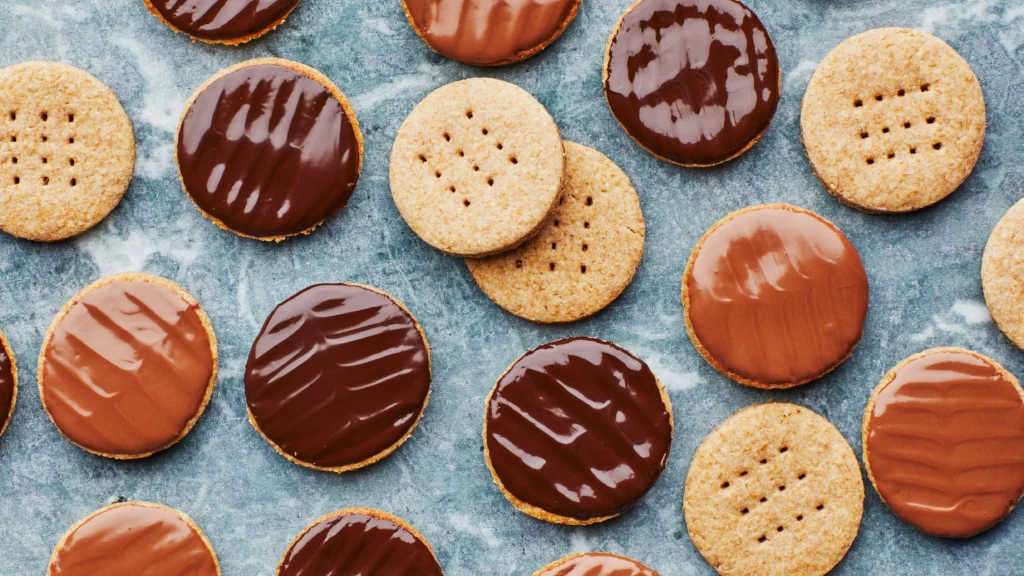
Digestive biscuits are available in numerous varieties, each catering to different preferences and dietary needs. Classic plain digestive biscuits remain the most common, offering the signature crumbly texture and mildly sweet taste. Chocolate-covered digestive biscuits are another popular option, combining the subtle biscuit flavour with rich chocolate, perfect for those seeking a little indulgence.
In addition to traditional versions, gluten-free digestive biscuits have become increasingly available, making this timeless snack accessible to a wider audience. Flavoured variants such as Nutella biscuits, amaretti biscuits, or ginger-infused biscuits add creative twists. When compared to related biscuits like rich tea biscuits, empire biscuits, or shortbread biscuits, digestive biscuits remain uniquely versatile for snacking, baking, and dessert-making purposes.
How to Make Homemade Digestive Biscuits
Making homemade digestive biscuits allows for full control over ingredients and flavour. Typically, a recipe requires whole wheat flour, butter, sugar, and baking soda, mixed into a smooth dough and rolled to a uniform thickness. Baking them until golden brown ensures a perfectly crisp and slightly crumbly texture that mirrors store-bought favourites. Homemade digestive biscuits can be customised to suit taste preferences, including adding chocolate, oats, or even a Nutella layer.
Homemade baking also ensures freshness and creates a delightful aroma in the kitchen. These biscuits can be stored in airtight containers and enjoyed as a daily snack, a tea-time accompaniment, or even as the base for cheesecakes and puddings. By making digestive biscuits at home, you can explore creative variations while maintaining the classic charm of this beloved treat.
Popular Brands and Where to Buy Digestive Biscuits
Digestive biscuits are widely available across the UK in supermarkets, specialty stores, and online. McVities is arguably the most iconic brand, offering both plain and chocolate-covered options. Other popular brands include Fox’s Biscuits, Border Biscuits, M&S biscuits, and Leibniz biscuits, each with distinct flavours and textures that appeal to diverse tastes.
Consumers can find digestive biscuits at major retailers such as Tesco, Sainsbury’s, Waitrose, and online platforms like Amazon UK. Prices vary depending on brand, quantity, and packaging, but the widespread availability ensures that everyone can enjoy this classic biscuit. For those seeking premium options, artisanal or speciality digestive biscuits are also available, offering gourmet flavours while maintaining traditional qualities.
Digestive Biscuits and Nutrition
Digestive biscuits are often considered a healthier alternative to other sweet biscuits due to their whole wheat content and moderate sugar levels. They contain dietary fibre, which can aid digestion, though the addition of sugar and fat means they should be eaten in moderation. Chocolate-covered variants naturally contain higher sugar and calorie levels, but they remain a popular choice for occasional indulgence.
For individuals with dietary restrictions, gluten-free digestive biscuits provide an accessible option without compromising on taste. Portion control is recommended, especially for those watching their sugar intake, but digestive biscuits can be incorporated into a balanced diet. Enjoying them alongside tea, coffee, or in creative recipes makes these biscuits both a satisfying and versatile addition to daily snacking.
Creative Ways to Enjoy Digestive Biscuits
Digestive biscuits are incredibly versatile in the kitchen. They can be eaten plain with tea or coffee, crumbled as a topping for desserts, or used as a base for cheesecake and pudding recipes. Their mild flavour complements chocolate, Nutella, and fruit spreads, allowing for endless culinary experimentation.
Innovative recipes include layering crushed digestive biscuits in ice cream, creating biscuit bars, or incorporating them into festive treats such as Christmas biscuits. These applications highlight the adaptability of digestive biscuits, proving that this classic snack is not limited to traditional use but continues to inspire modern culinary creativity.
Digestive Biscuits in Popular Culture and Fun Facts
Digestive biscuits have influenced more than just snacking habits—they feature in cultural references, seasonal recipes, and even quirky trivia. For example, “why do cats make biscuits” is a playful nod to the kneading motion cats make, likening it to the shaping of traditional biscuits. This fun connection showcases the cultural reach of digestive biscuits beyond the kitchen.
During the Christmas season, digestive biscuits are often incorporated into festive baking, paired with chocolate or layered in desserts. Internationally, biscuits like ANZAC biscuits highlight how similar semi-sweet treats have developed worldwide, yet digestive biscuits remain distinctly British in taste and tradition. They continue to be a beloved snack, celebrated for both flavour and versatility.
Conclusion
Digestive biscuits remain an iconic part of British cuisine, valued for their taste, texture, and versatility. From classic plain biscuits to chocolate-covered and gluten-free options, they cater to a variety of palates and dietary preferences. Whether enjoyed with tea, incorporated into desserts, or made at home, digestive biscuits offer both nostalgia and culinary creativity, ensuring their enduring popularity in households across the UK.
You may also read: How to Cook Birds Eye Fish Fingers in an Air Fryer