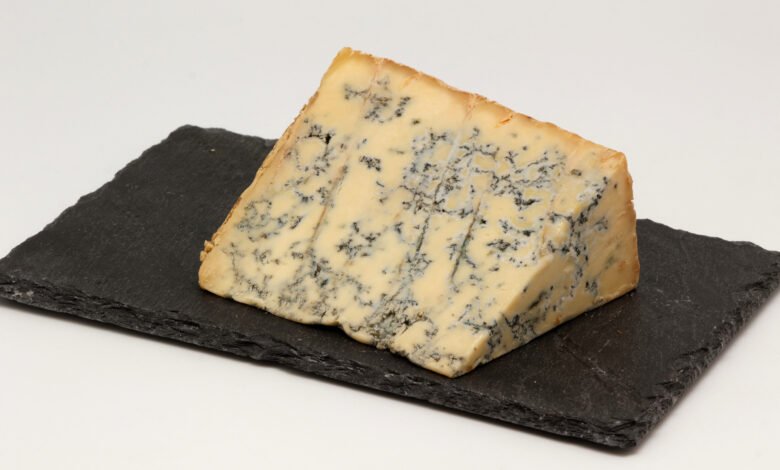
Stilton cheese is one of the most celebrated cheeses in England, instantly recognisable for its blue veins and crumbly yet creamy texture. Renowned for its bold flavour, this iconic cheese has been a staple of British cuisine for centuries. Its distinct aroma and rich, tangy taste make it a versatile ingredient, equally at home on a cheeseboard, in soups, sauces, or indulgent pies. Exploring stilton cheese is a journey into England’s culinary history.
Beyond its flavour, stilton cheese represents craftsmanship and regional pride. Only produced in Derbyshire, Leicestershire, and Nottinghamshire, authentic stilton cheese carries a protected designation of origin. Every wheel embodies generations of cheesemaking expertise, making it a revered ingredient for home cooks and professional chefs alike. Whether melted into a creamy sauce or crumbled over vegetables, stilton cheese elevates ordinary dishes into sophisticated British classics.


History and Origins of Stilton Cheese
Stilton cheese has a fascinating history that dates back to the 18th century. Despite the name, it was never actually made in the village of Stilton; the cheese gained fame after being sold in local inns along coaching routes. Early records highlight The Bell Stilton as a key establishment promoting this blue-veined cheese. Its popularity quickly spread across England, cementing stilton cheese as a symbol of traditional British fare.
Over time, stilton cheese achieved protected designation of origin status, which ensures that only cheese made in the three designated counties using specific methods can be called authentic Stilton. This certification preserves the cheese’s distinctive qualities, from the marbled blue veins to its rich, crumbly texture. Today, stilton cheese remains a point of pride for English cheesemakers, showcasing centuries of heritage in every bite.
Types and Characteristics of Stilton Cheese
There are two primary varieties of stilton cheese: Blue Stilton and White Stilton. Blue Stilton is the more widely recognised, famous for its striking blue marbling and tangy, nutty flavour. Its creamy yet crumbly texture makes it ideal for cooking, melting, or enjoying on a cheese platter. White Stilton, on the other hand, has a milder taste and is often paired with fruits, honey, or herbs, offering a subtle yet enjoyable alternative.
Among producers, Colston Bassett Stilton stands out for its perfectly balanced flavour profile and consistency. Authentic stilton cheese is known for its rich aroma and complex taste, which combines earthy undertones with a creamy finish. These characteristics make stilton cheese highly versatile in the kitchen, from enhancing sauces to adding depth to soups and pies, allowing it to shine in both traditional and modern recipes.
Cooking and Serving with Stilton Cheese

Stilton cheese is incredibly versatile when it comes to cooking. It adds depth and creaminess to sauces, making it a perfect accompaniment to steaks, roasted vegetables, and pasta dishes. Its bold flavour allows it to complement robust ingredients, balancing richness with its tangy notes. By incorporating stilton cheese into everyday recipes, cooks can elevate simple meals into refined British classics that impress both family and guests.
For more indulgent preparations, stilton cheese can be used in steak and stilton pies or creamy gratins. It also pairs wonderfully with fruits and nuts, offering a contrast of flavours that enhance its natural complexity. Learning to use stilton cheese effectively ensures that its distinctive taste remains prominent while harmonising with other ingredients, making it a must-have in British kitchens.
Stilton Cheese in Soups
Broccoli and stilton soup is a quintessential British comfort dish, combining the earthy taste of vegetables with the creamy richness of stilton cheese. Recipes by chefs like Jamie Oliver and James Martin have popularised this combination, inspiring home cooks to recreate it in their kitchens. The cheese melts into the soup, creating a velvety texture that perfectly complements the subtle bitterness of broccoli.
Another delicious variation is cauliflower and stilton soup, which showcases the cheese’s versatility. Stilton cheese adds a luxurious touch, transforming simple vegetable soups into hearty and satisfying meals. Using a soup maker or traditional stovetop methods, cooks can create rich, flavoursome soups that highlight the distinctive taste of stilton cheese while offering warmth and comfort in every spoonful.
Recipes to Try with Stilton Cheese
Stilton cheese is not only perfect for soups but also a versatile ingredient for a wide range of recipes. It works beautifully in sauces, tarts, gratins, salads, and pies. For example, steak and stilton pie is a classic dish where the cheese enhances the savoury flavours of meat, while stilton sauce adds a creamy, tangy richness to roasted vegetables or steaks.
Experimenting with stilton cheese can elevate everyday meals. Crumbling it over roasted cauliflower, melting it into a creamy pasta, or incorporating it into a broccoli and stilton soup recipe brings bold flavour to each dish. With proper storage, stilton cheese maintains its distinct aroma and texture, ensuring that it remains a reliable, high-quality ingredient in any recipe.
Buying, Storing, and Enjoying Stilton Cheese
When purchasing stilton cheese, authenticity matters. Look for producers with a protected designation of origin and trusted names like Colston Bassett. Proper storage is essential to maintain its texture and flavour. Wrap stilton cheese in parchment or cheese paper and keep it in the fridge, allowing it to breathe slightly while preventing it from drying out.
Serving stilton cheese can be simple yet elegant. It can be crumbled, sliced, or melted depending on the recipe. From classic broccoli and stilton soup to gourmet sauces and pies, this iconic English cheese elevates dishes with its bold, distinctive flavour. Whether enjoyed as part of a meal or on its own, stilton cheese continues to embody the rich culinary traditions of England.
Conclusion
Stilton cheese is more than just a blue-veined delicacy; it is a symbol of English heritage, craftsmanship, and culinary excellence. Its rich flavour, creamy texture, and versatility make it a cherished ingredient in kitchens across the UK. From soups and sauces to pies and accompaniments, stilton cheese enriches every dish while connecting cooks and diners to centuries of British tradition.
Exploring stilton cheese opens the door to countless recipes and culinary experiences. Whether in a cosy bowl of broccoli and stilton soup or melted into a decadent sauce, this cheese embodies the perfect balance of tradition and taste. Authentic stilton cheese continues to captivate food lovers, ensuring its place as one of England’s most beloved cheeses.
You may also read: Can Dogs Eat Heinz Baked Beans?